
On-page SEO services that give Google something to rank
Titles, headings, keyword targeting and content structure, done properly so your pages actually compete
I’m Dan George, a UK-based SEO consultant with over 20 years in B2B marketing. On-page SEO is central to any SEO service, and the work that makes individual pages visible and relevant: the right title, the right structure, the right language, mapped to what your buyers actually search for. It’s where technical SEO hands off to content, and where most sites quietly lose ground to competitors who’ve done it properly.
I look at this by hand for every page I work on. You don’t get a keyword-stuffed rewrite or an automated content score. You get a clear view of what each page needs to rank, written or structured so it can.



Book a free SEO review
What on-page SEO covers
On-page SEO is everything on the page itself that influences how search engines interpret it and where it ranks. These are the areas I work across:

Title tags and meta descriptions
The title tag is the single most important on-page ranking signal. It tells search engines and users what the page is about before they click. I write titles that lead with the primary keyword, match search intent and hold up at the length Google actually displays. Meta descriptions don’t directly affect rankings, but they affect clicks, and a well-written one earns more of them.

Headings and page structure
Google uses your heading hierarchy to understand what a page covers and how it’s organised. A clear H1 that confirms topic, supported by H2s that address related questions and subtopics, makes a page easier to rank and easier to read. Most sites have heading structures that grew rather than were planned.

Keyword targeting and search intent
Ranking for the wrong thing is as bad as not ranking at all. I map each page to the terms your buyers actually use, check the intent behind those terms, and make sure the page answers what the search was about. That means looking at what’s already ranking, not just what keyword tools suggest.

Content quality and depth
There’s no magic word count. What matters is whether the page covers the topic well enough to be useful to a buyer and trustworthy to Google. That means relevant detail, no filler, and not leaving out the things a serious buyer would expect to see.

Internal linking
How a page connects to the rest of your site affects how much authority it receives and whether crawlers and buyers can find it. I audit and improve internal linking as part of on-page work, not as an afterthought.
Image optimisation
File names, alt text and image sizing affect accessibility, crawlability and page speed. Small things, easy to neglect, and they add up across a site.
Why most on-page SEO fails
The most common problem I see isn’t that businesses have no on-page SEO. It’s that they have inconsistent on-page SEO: some pages with clear titles and good structure, most without, and no consistent approach across the site.
That inconsistency creates a ceiling. Individual pages rank for something, but not for the terms that actually bring in enquiries. Content gets written but doesn’t target anything specific. Good products and services sit on thin pages that give Google no reason to prefer them over a competitor who’s thought it through.
When I audited 1,918 Leicestershire business websites for the Leicestershire Online Visibility Report, this was one of the clearest patterns: the businesses ranking consistently had pages with deliberate structure and clear keyword focus. The ones that weren’t had often just published content and hoped.
On-page SEO builds on technical SEO

On-page and technical SEO are separate jobs, but they depend on each other. Technical SEO gets your pages crawled and indexed. On-page SEO gives those pages a reason to rank. If one’s missing, the other is only doing half the job.
That’s why I work across both. If I’m doing on-page work and spot a technical issue that’s undermining it, I’ll tell you. And if a client comes to me for a technical audit and the findings point to on-page gaps, we cover those too.
How I approach on-page SEO
Here is how an on-page SEO engagement with me progresses.
1.
Audit what’s already there
Before changing anything, I look at how each page currently performs: what it ranks for, what it was apparently built to rank for, and whether those two things match. Most on-page work starts with a gap rather than a blank page.
2.
Map pages to search intent
Using Google Search Console and commercial SEO tools, I look at how your site is really being crawled, indexed and served, not how it’s supposed to be. This is where the gap between “looks fine” and “is fine” usually shows up.
3.
Rewrite or restructure with clear priorities
Some pages need a title tag change and a heading tweak. Others need a meaningful rewrite. I prioritise by where the gap is biggest and where the ranking opportunity is most realistic.
4.
Integrate with the wider site
Internal links, related pages, supporting content: on-page SEO doesn’t stop at the page boundary. I look at how the work fits with the rest of your site and flag where other pages are undermining or supporting the ones we’re working on.
5.
Report clearly
You get a plain-English breakdown of what was changed, what it’s targeting and why. If something needs your developer or copywriter to action, it’s written so they can follow it without a briefing call.
Reviews


His input has already helped boost traffic and clarity across the site.
Highly recommended.

Since partnering with them, we've seen results very quickly – our platform's visibility has improved very quickly, and we now rank highly on search engines with new keywords. Very happy with their work and will definitely be long-term customers. We highly recommend Little Green Agency to anyone looking to grow their online presence.

Case StudIES
Results from real clients
Professional services • Networking platform
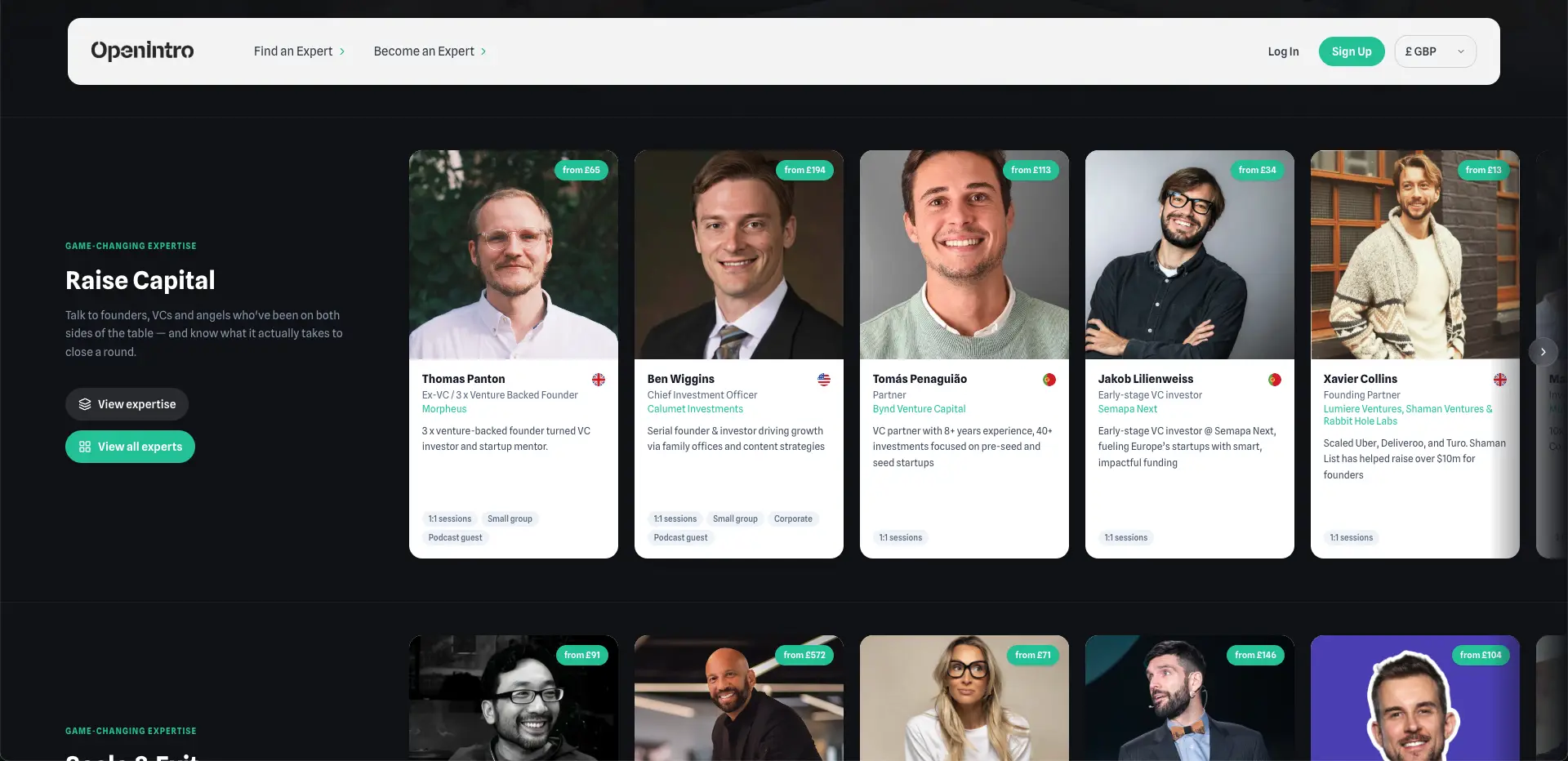
OpenIntro
OpenIntro is a curated expert-booking platform that lets founders, operators and investors connect directly with experienced leaders. When they came to us, strong technical fundamentals were missing and search engines were struggling to fully explore the site.
We ran a full technical SEO audit using Screaming Frog, SE Ranking and Google Search Console, then worked through the priority fixes over the following months.
409% increase in search impressions. 130% more clicks from Google.
Creative studio • Letterpress printing, Leicestershire
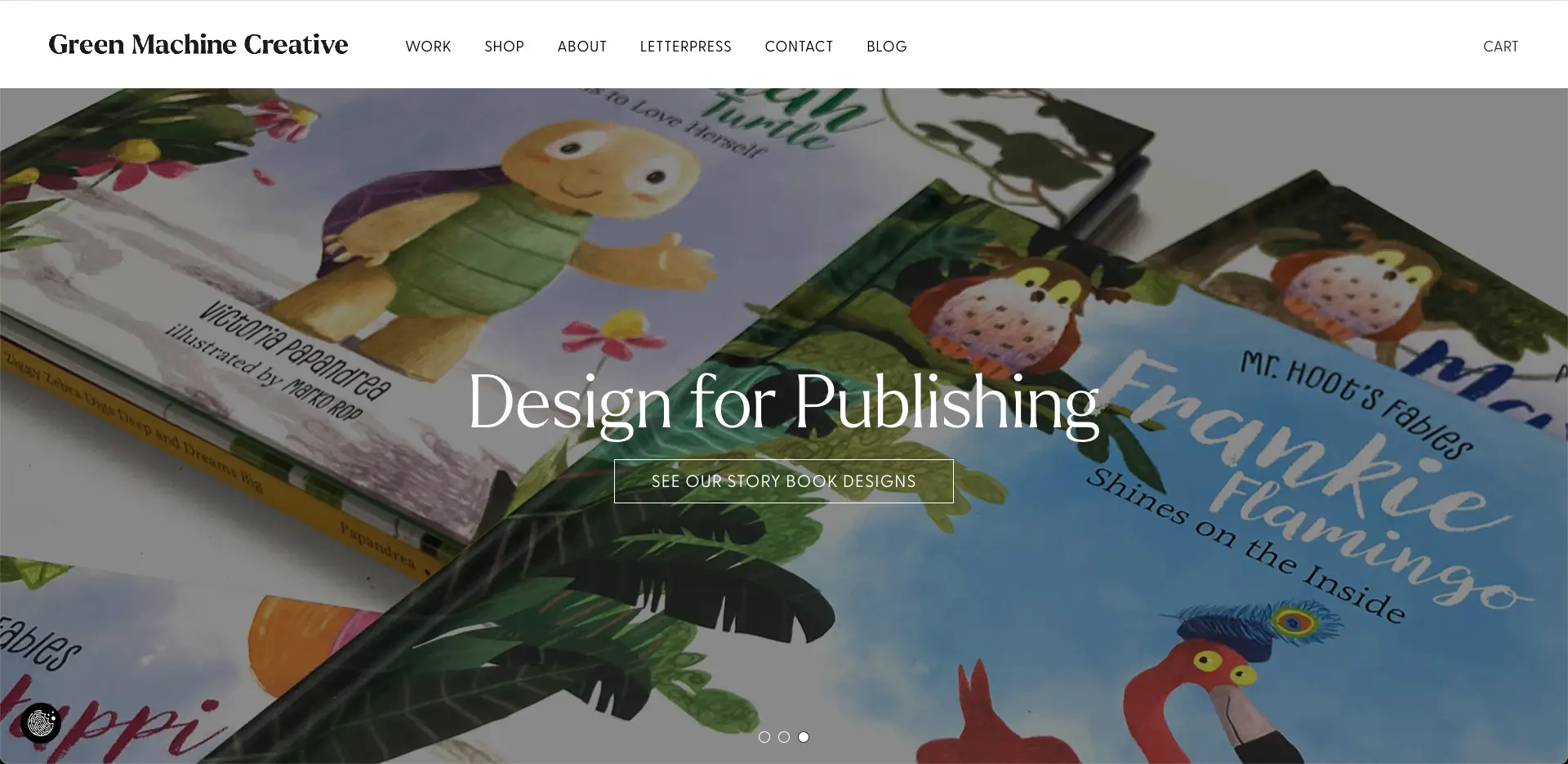
Green Machine Creative
Green Machine Creative is a letterpress printing studio based in Melton Mowbray. They came to us for local SEO after years of relying almost entirely on word of mouth, with very little organic visibility to show for a genuinely well-regarded business.
We focused on the technical foundations, local signals and content structure that were holding their rankings back.
368%more organic clicks. 19xgrowth in search impressions.
Frequently Asked Questions
On-Page SEO in Leicester: common questions
What is on-page SEO?
On-page SEO is the optimisation of individual web pages to improve how search engines understand and rank them. It covers titles, headings, content, keyword targeting, internal links and image optimisation, everything on the page itself rather than off-page signals like backlinks.
What’s the difference between on-page SEO and technical SEO?
Technical SEO is about how your site is built and accessed: crawling, indexing, speed, structure. On-page SEO is about what’s on each individual page and how well it answers a search query. Both matter and are part of the broader SEO process; technical SEO comes first because on-page work can’t rank if Google can’t access the page.
How do you know which keywords to target?
I look at what your buyers actually search for, what your competitors rank for, and what the search results themselves show Google rewards for a given topic. Keyword tools give data; understanding intent tells you what to do with it.
Do you rewrite existing content, or start fresh?
Usually a combination. Some pages need targeted changes to titles, headings and a few key passages. Others have thin or misdirected content that needs a proper rewrite. I’ll tell you which before we start.
How long does it take to see results from on-page SEO?
New or updated pages typically take a few weeks to be re-crawled and reassessed by Google. Improvements in ranking often start showing within one to three months, faster if the competition is relatively weak. On-page changes to well-established pages often move more quickly than building visibility from scratch.
Can I do on-page SEO myself?
Some of it, yes. Title tags, headings and basic keyword targeting are learnable. Where it gets harder is knowing what to target, what Google actually wants to see for a given query, and how the work fits with the rest of your site. Most businesses I work with have made a start and stalled, rather than having done nothing.
Ready to get found?
Most business websites have pages that could rank but don’t, because titles are vague, headings miss the point, or the content doesn’t answer what the search was actually about. These aren’t difficult fixes, but they don’t happen by accident.
Start with a free SEO review. I’ll look at where your pages stand, what they’re targeting and what’s costing you visibility. No pressure, no jargon.
Call 0116 488 9171 or click the button.