
Content hubs and topic clusters that build topical authority
A pillar page supported by a cluster of linked content, planned and built to signal real depth to Google and lift the pages you most want to rank
I’m Dan George, a B2B SEO and content specialist with over 20 years in marketing. Content hubs are one of the most reliable SEO structures I build for clients: a strong primary page on a topic, surrounded by related content that all links together, signalling genuine depth to Google and building rankings across a whole subject rather than one isolated page.
A hub is not a blog with good intentions. It is a deliberate structure: a pillar page that earns rankings for the core term, and a cluster of supporting content mapped to related searches, all linked together to channel authority where it matters most. Content hubs are one of the most effective structures within a longer-term SEO strategy.




Book a free SEO review
What a content hub is made of
A hub has distinct parts that each do a specific job. Here is what I plan, build and connect:

The pillar page
The primary page you most want to rank, covering the core topic with enough depth to earn a position and enough breadth to anchor the cluster around it. Usually an existing page strengthened or a new page built from scratch.

Cluster content
Supporting pages that answer the specific questions your target audience searches for around the core topic. Blog posts, FAQs, comparison pages, guides. Each ranked by search demand and mapped to a specific intent, not just topics that seem relevant.

Internal linking structure
The links between cluster pages and the pillar are not optional. They are what makes a hub a hub rather than just a collection of related pages. I plan the linking structure before any content is written, so authority flows to the pillar and supporting pages reinforce each other.

Search intent mapping
Every piece of cluster content is mapped to a real search query and the intent behind it, not just a topic that sounds relevant. This determines the format, depth and angle of each page so it matches what Google is already rewarding for that search.

Existing content audit
Most sites already have pages that belong in a hub structure but were published without one. Before building new content I review what exists, identify what can be repurposed or improved, and build the cluster around what you already have where possible.

Ongoing extension and measurement
A hub compounds over time as the cluster grows. I track rankings across every page in the structure, identify where to extend next and measure how authority is flowing through the hub as it develops.

Why scattered content underperforms
Publishing blog posts without a plan is one of the most common ways businesses waste content budget. Each post might be well-written and accurate, but if it is not connected to anything and not mapped to a specific search, it earns very little. Google sees a site with lots of loosely related pages on similar topics and does not know which one to rank, so it often ranks none of them well.
A hub fixes this by giving Google a clear signal: this site covers this topic in depth, and this is the primary page to rank. The supporting cluster lifts the pillar, captures the long tail, and builds authority across the whole topic rather than fragmenting it across unconnected posts.
When I audited 1,918 Leicestershire businesses for the Leicestershire Online Visibility Report, one of the clearest patterns was that the businesses ranking consistently for multiple terms had structured, interconnected content. The ones that were not had published plenty but built nothing.
Content hubs and AI search

AI Overviews and tools like Perplexity and ChatGPT now synthesise answers from multiple sources when someone asks a research question. The sites they pull from most reliably are the ones with genuine depth on a topic, structured content that covers it from multiple angles, and clear signals that one page is the authoritative source.
That is exactly what a well-built content hub provides: a pillar page as the authoritative source, cluster content covering the adjacent questions, all properly linked and structured. It is one of the most effective ways to build topical authority that gets you cited in AI answers as well as ranked in traditional results.
My free AI Visibility Checker shows whether your business is currently appearing in AI search results. If you are not, the absence of structured, authoritative content on your core topics is usually one of the reasons.
How I build a content hub
Here is how a content hub engagement typically runs.
1.
Choose the topic and map the cluster
Keyword research to identify the core term worth building the pillar around, followed by a cluster map of every related search that supporting content should cover. Ranked by search demand, intent and how realistic it is to rank for each one given your current authority.
2.
Audit existing content and plan the gaps
Review of any existing pages that belong in the cluster, identifying what to repurpose, strengthen or retire, and what genuine gaps need new content. This avoids starting from scratch and finds quick wins in what you already have.
3.
Build and link the content
Pillar page and cluster content written, optimised and published with the internal linking structure in place from day one. On-page SEO handled as part of production, not as an afterthought. You review everything before it goes live.
4.
Track and extend
Rankings tracked across every page in the hub monthly. As the cluster matures, I identify where new content would extend it further and what is performing well enough to earn links or promotion. A hub built properly keeps compounding long after the initial build.
Reviews


His input has already helped boost traffic and clarity across the site.
Highly recommended.

Since partnering with them, we've seen results very quickly – our platform's visibility has improved very quickly, and we now rank highly on search engines with new keywords. Very happy with their work and will definitely be long-term customers. We highly recommend Little Green Agency to anyone looking to grow their online presence.

Case StudIES
Results from real clients
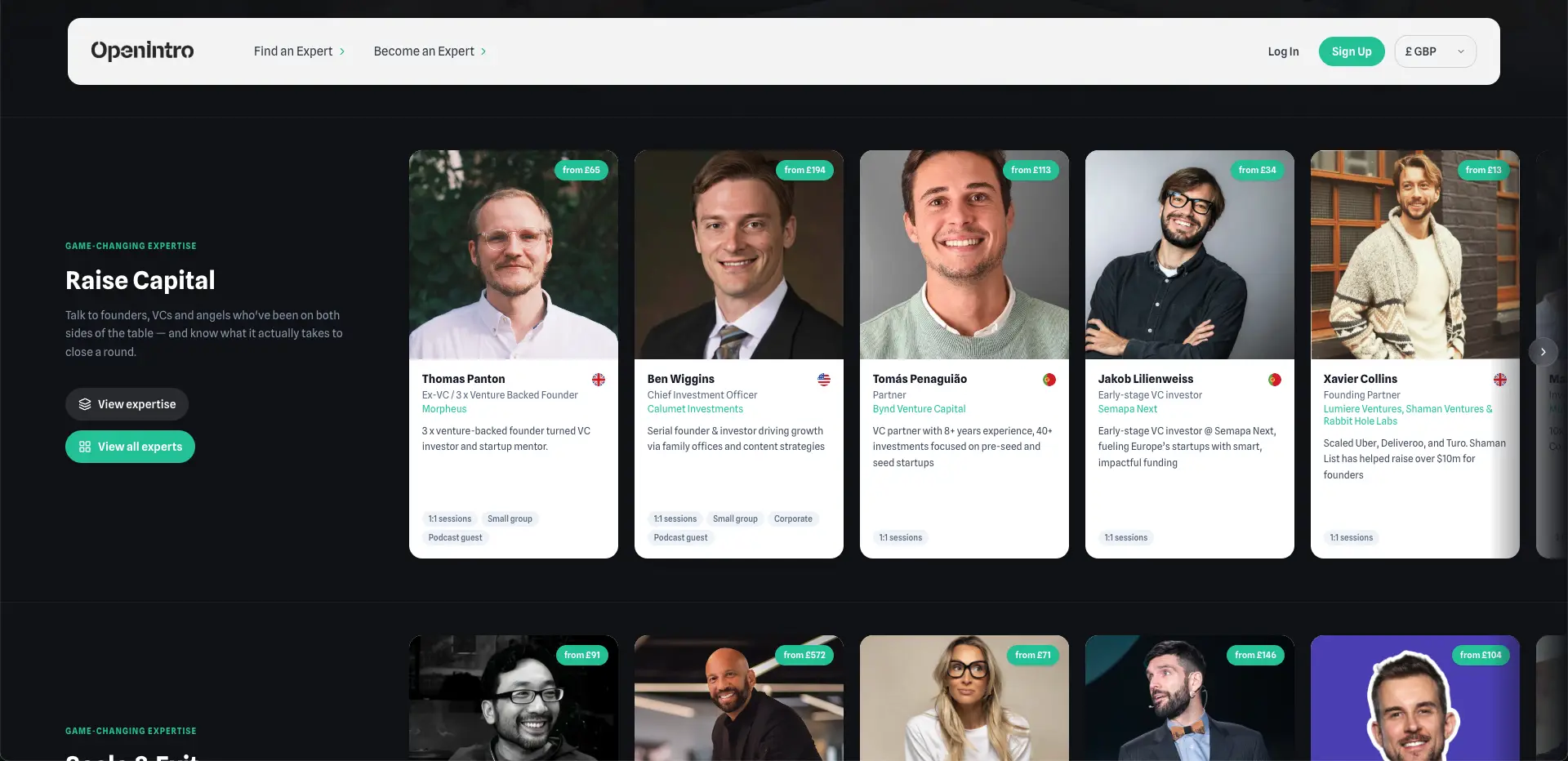
Professional services • Networking platform
OpenIntro
OpenIntro is a curated expert-booking platform that lets founders, operators and investors connect directly with experienced leaders. When they came to us, strong technical fundamentals were missing and search engines were struggling to fully explore the site.
We ran a full technical SEO audit using Screaming Frog, SE Ranking and Google Search Console, then worked through the priority fixes over the following months.
409% increase in search impressions. 130% more clicks from Google.
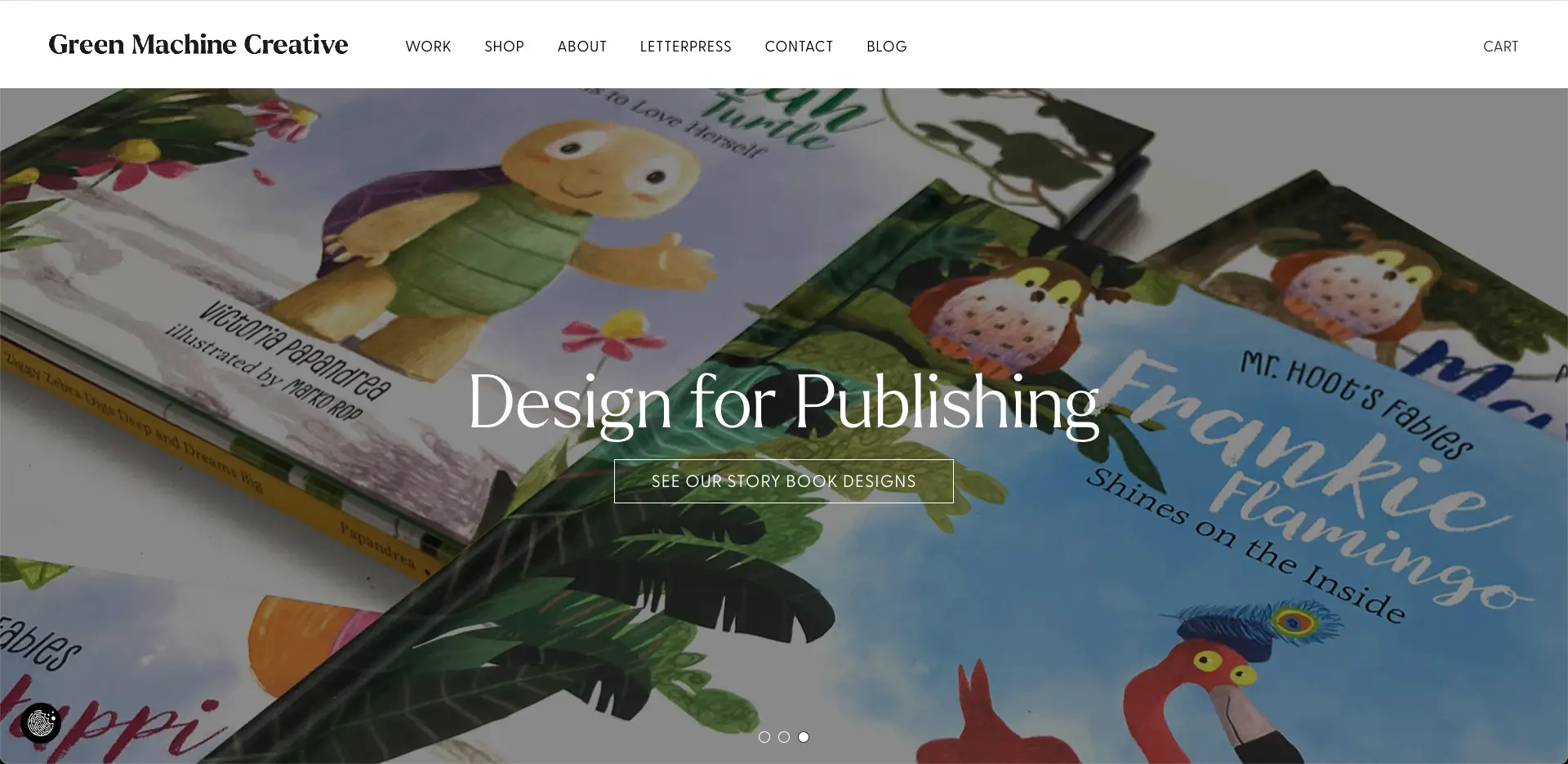
Creative studio • Letterpress printing, Leicestershire
Green Machine Creative
Green Machine Creative is a letterpress printing studio based in Melton Mowbray. They came to us for local SEO after years of relying almost entirely on word of mouth, with very little organic visibility to show for a genuinely well-regarded business.
We focused on the technical foundations, local signals and content structure that were holding their rankings back.
368%more organic clicks. 19xgrowth in search impressions.
Frequently Asked Questions
Content hubs: common questions
What is a content hub?
A content hub is a structured set of web pages built around one core topic. It has a pillar page covering the topic in depth and a cluster of supporting pages each targeting a related, more specific search. The pages link to each other deliberately, concentrating authority on the pillar and signalling to Google that the site has genuine depth on the subject.
How many pages does a content hub need?
It depends on the topic and how much search demand exists around it. A minimum viable hub typically has a pillar page and four to six cluster pages. Most grow from there as rankings develop and new search opportunities emerge. I plan the initial cluster based on what is realistic for your site authority, not an idealised target.
Can you build a hub from content we already have?
Often yes. Most sites with an active blog have pages that can form the basis of a cluster with some restructuring, improved internal linking and on-page optimisation. Starting from existing content is usually faster and cheaper than building from scratch, and it avoids duplicating effort.
How long before a content hub starts ranking?
Typically two to four months for the first meaningful movement, faster on lower-competition topics or where the pillar page already has some authority. The cluster pages often rank for long-tail terms within weeks of being indexed. Rankings build progressively rather than arriving all at once.
Do I need to commit to an ongoing retainer?
No. I can plan and build a hub as a one-off project. Most clients who see results then choose to extend the cluster or build a second hub, but that is your decision once you have seen what the first one produces. There is no pressure to commit upfront.
Further reading on content hubs
- Every content hub starts with keyword research, and this guide on how to keyword research sets out a practical workflow.
- For an example of a pillar-style guide, see my practical guide to SEO for manufacturers.
Ready to build something that compounds?
Most sites are sitting on content that could rank better if it were structured differently. A free review will show you whether a hub is the right next move, which topic makes the most sense to build around, and what you already have that could form the starting point.
Start with a free SEO review. No pressure, no jargon, no hard sell.
Call 0116 488 9171 or click the button.