
Technical SEO services to boost visibility
Crawlability, speed, indexation and structured data, put right so the rest of your SEO can work
I’m Dan George, a UK-based technical SEO consultant with over 20 years in B2B marketing. I provide technical SEO services across the UK and help businesses fix the foundations that quietly hold their site back, the crawling, indexing, speed and structure issues that stop good content and strong links from ranking.
Everything is dealt with by me. I run the audits by hand with professional tools, then give you a clear, prioritised list of what to fix and why, not an automated report that flags everything and explains nothing. Technical SEO is part of my broader SEO services — the foundation that lets everything else work.



Book a free SEO review
What technical SEO covers
Technical SEO is the work that lets search engines, and increasingly AI tools, crawl, render, index and trust your site. Get it wrong and nothing else you do in SEO reaches its potential. These are the areas I work across:

Crawling and indexation
Making sure search engines can reach the pages that matter and are not wasting time on the ones that don’t. Robots directives, XML sitemaps, canonical tags, and fixing the pages that are indexed when they shouldn’t be, or missing when they should.
Site speed and Core Web Vitals
Slow pages lose rankings and visitors. I diagnose what’s actually slowing a site down, render-blocking scripts, oversized images, server response, and prioritise the fixes that move the needle rather than chasing a perfect score.

Site architecture and internal linking
How your pages connect tells Google what matters. A logical structure and deliberate internal linking help both crawlers and buyers find the important pages, and concentrate authority where it counts.

Structured data
Schema markup gives search engines explicit context, your business, your services, your reviews, your FAQs, and makes you eligible for richer results. Done properly, and validated, not guessed.

Mobile and rendering
Google indexes the mobile version of your site first. If content or links only appear on desktop, or depend on JavaScript that search engines can’t execute, they may as well not exist.

HTTPS and site health
Secure connections, clean redirects, no broken links or orphan pages. The unglamorous housekeeping that quietly holds rankings back when it’s neglected.

Small problems, multiplied
Technical issues rarely announce themselves. A site can look fine and still be leaking rankings because a fraction of its pages are mis-indexed, slow, or invisible to crawlers. The larger or older the site, the more these small inefficiencies compound.
I see this constantly. When I audited 1,918 Leicestershire SME websites for my visibility report, technical problems, not content or links, were among the most common reasons businesses were effectively invisible in search. Most had no idea anything was wrong.
That’s the thing about technical SEO: the businesses who need it most are usually the least aware they have a problem.
Technical SEO now decides whether AI can read you too

The definition of technical SEO has quietly expanded. It used to be about helping Google crawl and index your site. Now it’s also about whether ChatGPT, Gemini, Perplexity and Google’s AI Overviews can read, understand and cite you.
The mechanics overlap almost entirely. Clean structure, readable content, proper schema, information in HTML rather than locked in PDFs or images, all the things that help a search crawler are the same things that let an AI system extract and quote you. Manufacturers and technical businesses are especially exposed here, because so much of their key information sits in downloadable documents that neither Google nor an AI model can read.
This is an area I’ve built real tooling around, including a free AI Visibility Checker that shows whether AI tools currently mention your business. Getting the technical foundations right is now the price of entry for both.
How I run a technical audit
Here is how a technical SEO engagement with me progresses.
1.
Crawl the site like Google does
I use Screaming Frog to crawl your entire site the way a search engine would, surfacing broken links, redirect chains, duplicate content, indexation problems and the pages Google is quietly ignoring.
2.
Check what Google actually sees
Using Google Search Console and commercial SEO tools, I look at how your site is really being crawled, indexed and served, not how it’s supposed to be. This is where the gap between “looks fine” and “is fine” usually shows up.
3.
Prioritise what actually matters
You don’t get a 200-point automated report that lists everything and prioritises nothing. I rank the issues by impact: what’s costing you rankings now, what it takes to fix, and what it’s worth doing first.
4.
Hand it over in plain English
You get a clear, actionable report you or your developer can work from, no jargon, no filler. And if the honest answer is that your technical SEO is fine and the problem lies elsewhere, I’ll tell you that too.
Reviews


His input has already helped boost traffic and clarity across the site.
Highly recommended.

Since partnering with them, we've seen results very quickly – our platform's visibility has improved very quickly, and we now rank highly on search engines with new keywords. Very happy with their work and will definitely be long-term customers. We highly recommend Little Green Agency to anyone looking to grow their online presence.

Case StudIES
Results from real clients
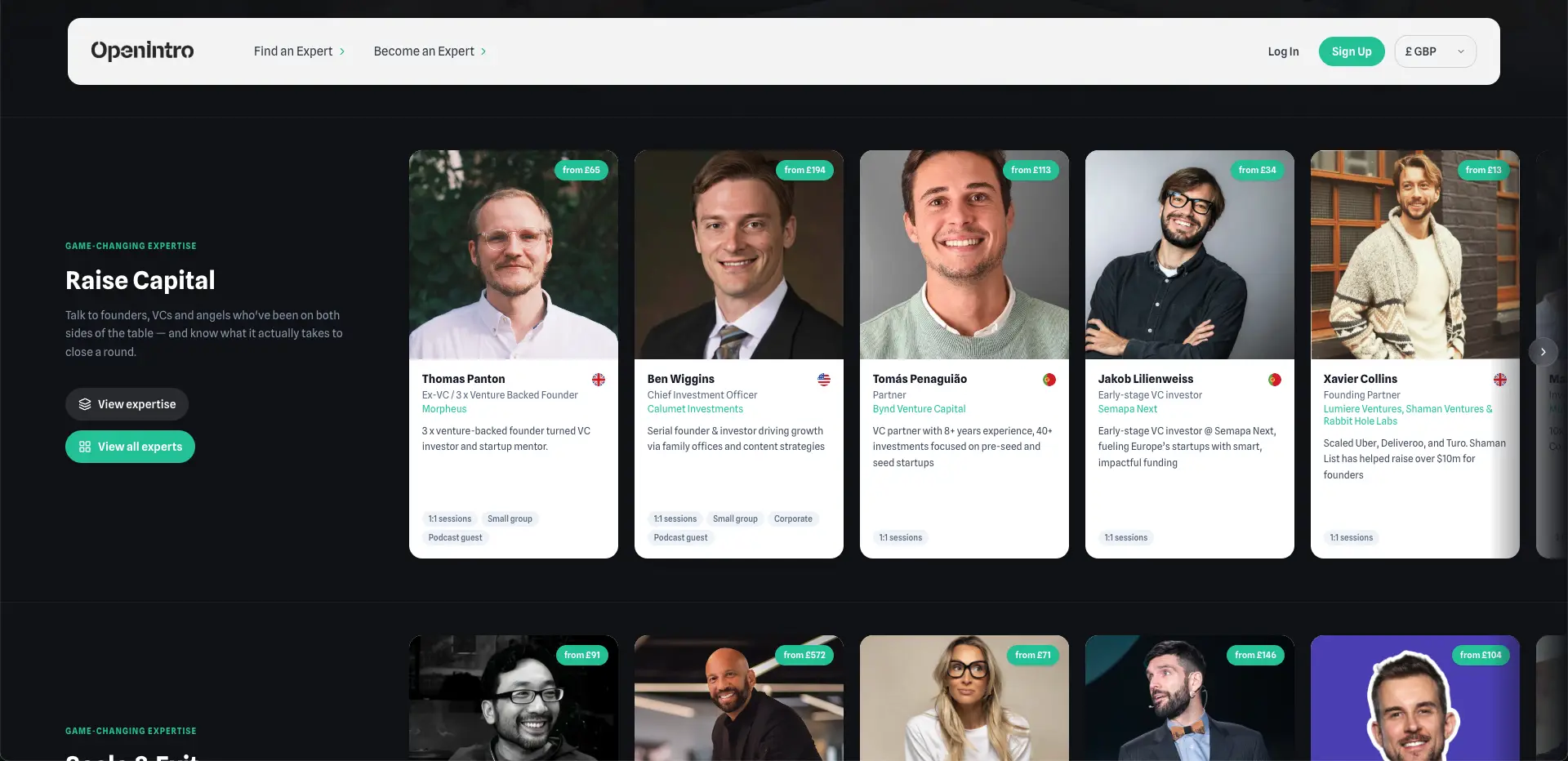
Professional services • Networking platform
OpenIntro
OpenIntro is a curated expert-booking platform that lets founders, operators and investors connect directly with experienced leaders. When they came to us, strong technical fundamentals were missing and search engines were struggling to fully explore the site.
We ran a full technical SEO audit using Screaming Frog, SE Ranking and Google Search Console, then worked through the priority fixes over the following months.
409% increase in search impressions. 130% more clicks from Google.

Creative studio • Letterpress printing, Leicestershire
Green Machine Creative
Green Machine Creative is a letterpress printing studio based in Melton Mowbray. They came to us for local SEO after years of relying almost entirely on word of mouth, with very little organic visibility to show for a genuinely well-regarded business.
We focused on the technical foundations, local signals and content structure that were holding their rankings back.
368%more organic clicks. 19xgrowth in search impressions.
Frequently Asked Questions
SEO in Leicester: common questions
What is technical SEO?
It’s the work of optimising your website’s infrastructure, crawling, indexing, speed, structure, security and structured data, so search engines and AI tools can find, understand and rank your content. It’s the foundation the rest of your SEO services are built on.
What’s the difference between technical SEO and on-page SEO?
On-page SEO is about the content of individual pages: titles, headings, keywords, relevance. A technical SEO agency is concerned with site as a whole and how machines access it. You need both, but technical comes first, because the best content in the world won’t rank if Google can’t crawl it.
Is SEO still worth it now AI answers questions directly?
More than ever, but the target has shifted. The same technical foundations that help Google rank you now also decide whether AI tools cite you. Being invisible to AI is the new version of being on page two.
Do I need a technical audit, or ongoing work?
Most businesses start with a one-off audit to find out where they stand. Some issues are fix-once; others, like monitoring indexation or Core Web Vitals as a site grows, benefit from ongoing attention. I’ll be honest about which yours are.
How long until technical fixes show results?
Some, like fixing a page that was accidentally blocked from indexing, can show within weeks. Others compound gradually. Technical SEO is rarely an overnight win, but it’s often the highest-leverage work because it unlocks everything else.
Further reading on technical SEO
- If you want the basics before talking to anyone, my guide to what is technical SEO explains how it fits alongside content and links.
- Seeing alternate page with proper canonical tag in your Search Console indexing report is often harmless, and this post explains when it needs fixing.
- Most technical problems show up in Search Console first, so it is worth knowing how to use Google Search Console before you commission an audit.
- For a quick first check of your own site, Google Search Console will flag many of the most common technical issues.
Ready to get found in Leicester?
Most sites have technical issues the owner never sees, pages Google can’t index, speed problems, structure that leaks authority. They rarely announce themselves; they just quietly cost you rankings.
Start with a technical review. I’ll tell you where you stand, what’s actually costing you, and whether it’s worth fixing. No pressure, no jargon, no hard sell.
Call 0116 488 9171 or click the button.